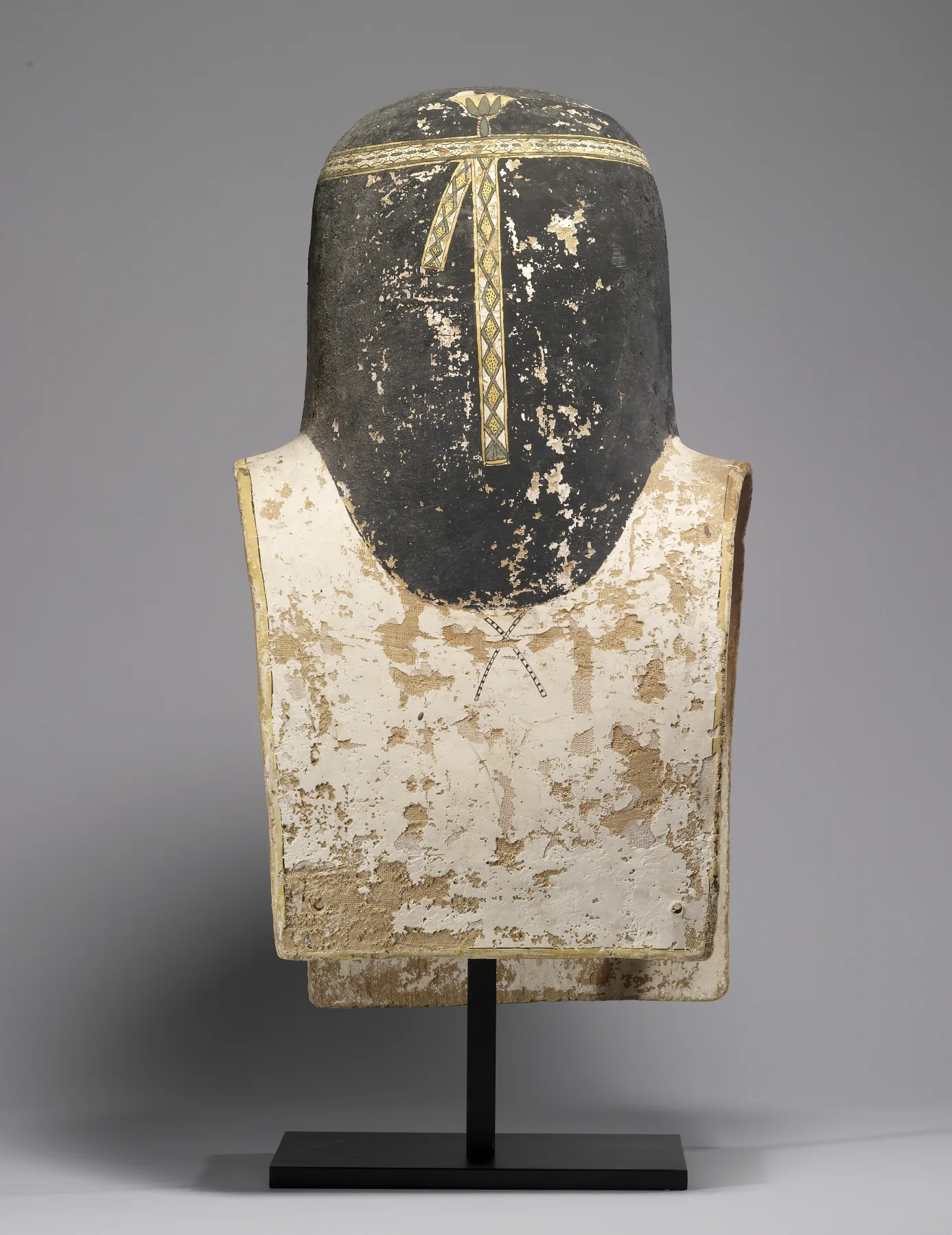
Why conservators document structure, damage, previous repairs and every intervention before a museum object enters the case. Each chapter separates direct record, editorial inference and the information still missing.
CHAPTER 01 / ED 02
Begin with a condition map
Cracks, losses, lifting surfaces, stains and earlier fills are located before work begins.
What supports it
Condition is a dated observation, not a permanent property.
Who is responsible
A named role, date and version make the information accountable.
What connects it
Field, accession and object identifiers preserve continuity between systems.
What stays open
A missing field or disputed reading remains visible rather than being completed by invention.
EDITORIAL QUESTIONWhat would another researcher need in order to verify this statement?
- Name the primary record.
- Copy the stable identifier.
- Separate observation and interpretation.
- State the remaining uncertainty.
CHAPTER 02 / ED 02
Identify the material system
Wood, textile, plaster, pigment, resin and later additions can react differently to humidity and handling.
What supports it
One object may require several analytical and preventive approaches.
Who is responsible
A named role, date and version make the information accountable.
What connects it
Field, accession and object identifiers preserve continuity between systems.
What stays open
A missing field or disputed reading remains visible rather than being completed by invention.
EDITORIAL QUESTIONWhat would another researcher need in order to verify this statement?
- Name the primary record.
- Copy the stable identifier.
- Separate observation and interpretation.
- State the remaining uncertainty.
CHAPTER 03 / ED 02
Minimum necessary change
Conservation often aims to stabilize and clarify without making an object appear newly made.
What supports it
Visual completion can hide damage history or uncertain reconstruction.
Who is responsible
A named role, date and version make the information accountable.
What connects it
Field, accession and object identifiers preserve continuity between systems.
What stays open
A missing field or disputed reading remains visible rather than being completed by invention.
EDITORIAL QUESTIONWhat would another researcher need in order to verify this statement?
- Name the primary record.
- Copy the stable identifier.
- Separate observation and interpretation.
- State the remaining uncertainty.
CHAPTER 04 / ED 02
Reversibility has limits
Treatments are chosen so future specialists can retreat or distinguish them where possible.
What supports it
No intervention is perfectly neutral or infinitely reversible.
Who is responsible
A named role, date and version make the information accountable.
What connects it
Field, accession and object identifiers preserve continuity between systems.
What stays open
A missing field or disputed reading remains visible rather than being completed by invention.
EDITORIAL QUESTIONWhat would another researcher need in order to verify this statement?
- Name the primary record.
- Copy the stable identifier.
- Separate observation and interpretation.
- State the remaining uncertainty.
CHAPTER 05 / ED 02
Environment is treatment
Light, relative humidity, temperature, pollutants and vibration shape long-term change.
What supports it
A stable case may protect more effectively than repeated physical intervention.
Who is responsible
A named role, date and version make the information accountable.
What connects it
Field, accession and object identifiers preserve continuity between systems.
What stays open
A missing field or disputed reading remains visible rather than being completed by invention.
EDITORIAL QUESTIONWhat would another researcher need in order to verify this statement?
- Name the primary record.
- Copy the stable identifier.
- Separate observation and interpretation.
- State the remaining uncertainty.
CHAPTER 06 / ED 02
Write for the next conservator
Materials, solvents, tests, photographs and decisions belong in a permanent treatment record.
What supports it
An undocumented repair becomes a new research problem.
Who is responsible
A named role, date and version make the information accountable.
What connects it
Field, accession and object identifiers preserve continuity between systems.
What stays open
A missing field or disputed reading remains visible rather than being completed by invention.
EDITORIAL QUESTIONWhat would another researcher need in order to verify this statement?
- Name the primary record.
- Copy the stable identifier.
- Separate observation and interpretation.
- State the remaining uncertainty.
RECORD TEMPLATE
Six fields for an accountable note
Object identifier
__________________________________
Record author + date
__________________________________
Direct observation
__________________________________
Source or method
__________________________________
Interpretive statement
__________________________________
Uncertainty + next check
__________________________________
FILE AUDIT / 17 July 2026
Before publication
- Identifier resolves to the intended object.
- Image view and reuse status are stated.
- Provenance fields are not collapsed.
- Treatment and reconstruction remain visible.
- Translation and interpretation are attributed.
- Material corrections receive a new date.