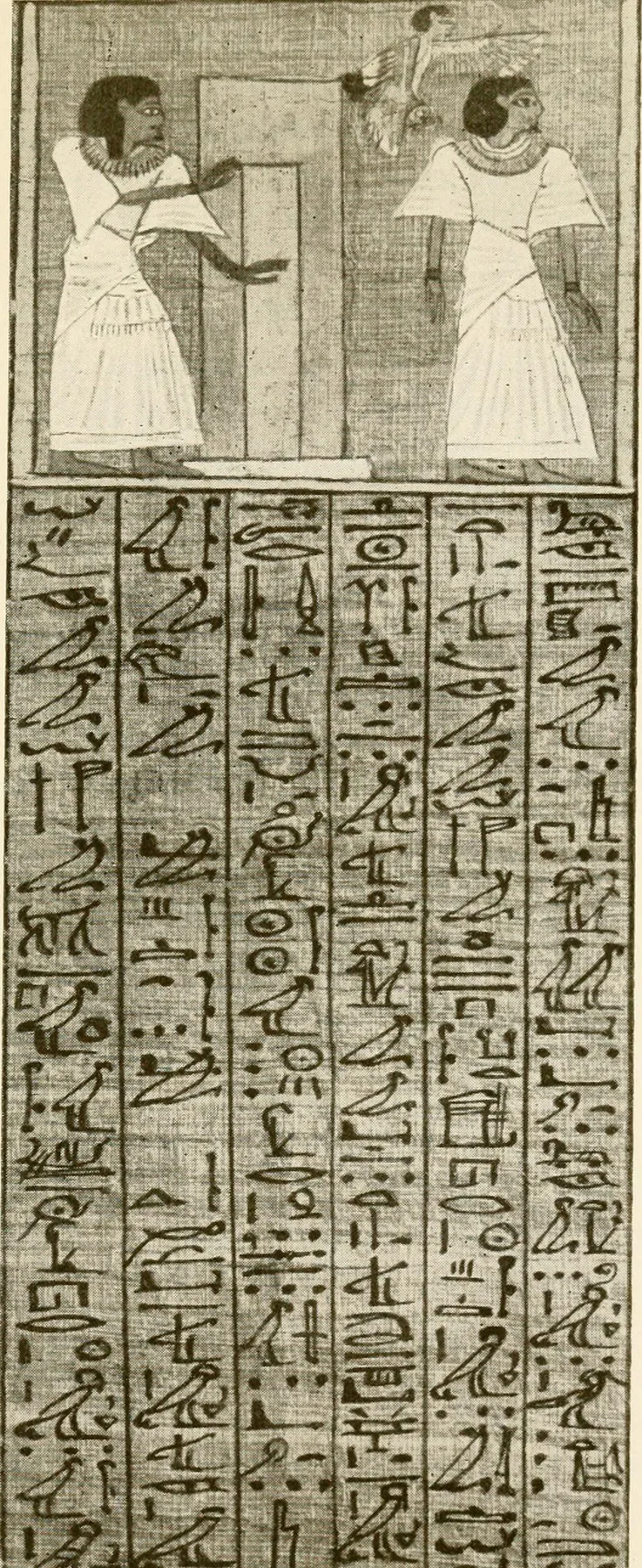
Why a high-resolution image is only the beginning: identifiers, rights, provenance, alt text, versioning and linked records make it usable. Each chapter separates direct record, editorial inference and the information still missing.
CHAPTER 01 / ED 05
The image is not the object
Scale, weight, reverse, texture, reflectance and condition can disappear in a flat view.
What supports it
Digital access expands study but does not make material encounter irrelevant.
Who is responsible
A named role, date and version make the information accountable.
What connects it
Field, accession and object identifiers preserve continuity between systems.
What stays open
A missing field or disputed reading remains visible rather than being completed by invention.
EDITORIAL QUESTIONWhat would another researcher need in order to verify this statement?
- Name the primary record.
- Copy the stable identifier.
- Separate observation and interpretation.
- State the remaining uncertainty.
CHAPTER 02 / ED 05
Identifier before filename
A stable object number connects images, catalogue history and citations across systems.
What supports it
Descriptive filenames help people but should not become the only identifier.
Who is responsible
A named role, date and version make the information accountable.
What connects it
Field, accession and object identifiers preserve continuity between systems.
What stays open
A missing field or disputed reading remains visible rather than being completed by invention.
EDITORIAL QUESTIONWhat would another researcher need in order to verify this statement?
- Name the primary record.
- Copy the stable identifier.
- Separate observation and interpretation.
- State the remaining uncertainty.
CHAPTER 03 / ED 05
Metadata carries the argument
Title, maker, date, material, place, dimensions and rights express current knowledge.
What supports it
Empty and uncertain fields should remain visible rather than filled by guesswork.
Who is responsible
A named role, date and version make the information accountable.
What connects it
Field, accession and object identifiers preserve continuity between systems.
What stays open
A missing field or disputed reading remains visible rather than being completed by invention.
EDITORIAL QUESTIONWhat would another researcher need in order to verify this statement?
- Name the primary record.
- Copy the stable identifier.
- Separate observation and interpretation.
- State the remaining uncertainty.
CHAPTER 04 / ED 05
Rights must be readable
Object copyright, photograph rights and data licence can have different statuses.
What supports it
A download button without reuse terms does not create clear permission.
Who is responsible
A named role, date and version make the information accountable.
What connects it
Field, accession and object identifiers preserve continuity between systems.
What stays open
A missing field or disputed reading remains visible rather than being completed by invention.
EDITORIAL QUESTIONWhat would another researcher need in order to verify this statement?
- Name the primary record.
- Copy the stable identifier.
- Separate observation and interpretation.
- State the remaining uncertainty.
CHAPTER 05 / ED 05
Alt text is interpretation
Useful alt text identifies the type of view and significant visible features without claiming hidden meaning.
What supports it
It should complement, not duplicate, the catalogue description.
Who is responsible
A named role, date and version make the information accountable.
What connects it
Field, accession and object identifiers preserve continuity between systems.
What stays open
A missing field or disputed reading remains visible rather than being completed by invention.
EDITORIAL QUESTIONWhat would another researcher need in order to verify this statement?
- Name the primary record.
- Copy the stable identifier.
- Separate observation and interpretation.
- State the remaining uncertainty.
CHAPTER 06 / ED 05
Versions need history
New photography, revised dates and corrected provenance should not silently overwrite the scholarly trail.
What supports it
A change log lets researchers understand which record they cited.
Who is responsible
A named role, date and version make the information accountable.
What connects it
Field, accession and object identifiers preserve continuity between systems.
What stays open
A missing field or disputed reading remains visible rather than being completed by invention.
EDITORIAL QUESTIONWhat would another researcher need in order to verify this statement?
- Name the primary record.
- Copy the stable identifier.
- Separate observation and interpretation.
- State the remaining uncertainty.
RECORD TEMPLATE
Six fields for an accountable note
Object identifier
__________________________________
Record author + date
__________________________________
Direct observation
__________________________________
Source or method
__________________________________
Interpretive statement
__________________________________
Uncertainty + next check
__________________________________
FILE AUDIT / 17 July 2026
Before publication
- Identifier resolves to the intended object.
- Image view and reuse status are stated.
- Provenance fields are not collapsed.
- Treatment and reconstruction remain visible.
- Translation and interpretation are attributed.
- Material corrections receive a new date.