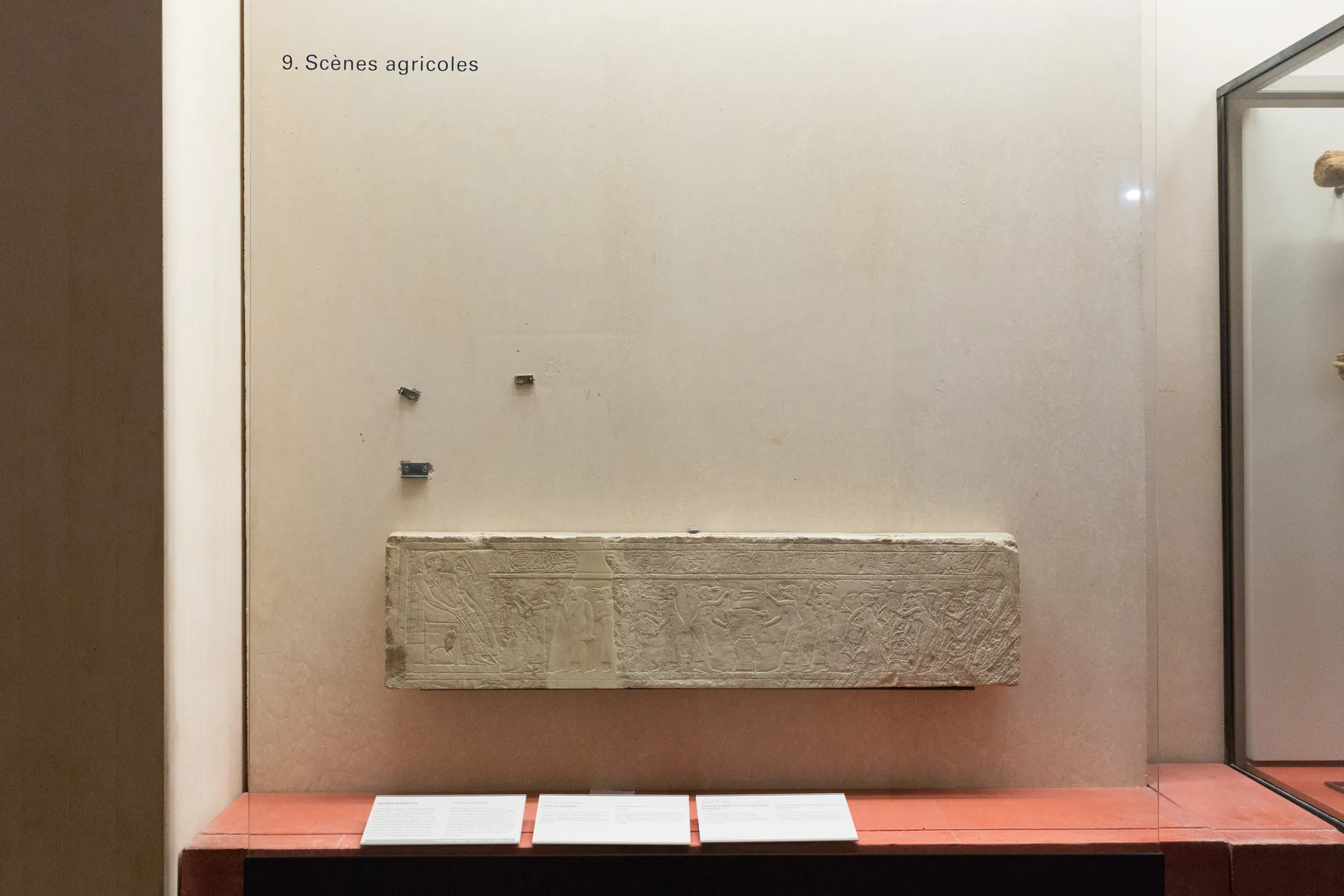
A short label is a chain of editorial choices about evidence, translation, voice, uncertainty and what a visitor needs at that exact point. Each chapter separates direct record, editorial inference and the information still missing.
CHAPTER 01 / ED 04
Name the object carefully
A familiar object name may be modern, functional, uncertain or inherited from an older catalogue.
What supports it
The heading should not claim a use that the evidence cannot support.
Who is responsible
A named role, date and version make the information accountable.
What connects it
Field, accession and object identifiers preserve continuity between systems.
What stays open
A missing field or disputed reading remains visible rather than being completed by invention.
EDITORIAL QUESTIONWhat would another researcher need in order to verify this statement?
- Name the primary record.
- Copy the stable identifier.
- Separate observation and interpretation.
- State the remaining uncertainty.
CHAPTER 02 / ED 04
Date without false precision
Dynasty, reign, century and calibrated date ranges represent different kinds of chronology.
What supports it
Circa and date ranges are meaningful evidence labels, not editorial weakness.
Who is responsible
A named role, date and version make the information accountable.
What connects it
Field, accession and object identifiers preserve continuity between systems.
What stays open
A missing field or disputed reading remains visible rather than being completed by invention.
EDITORIAL QUESTIONWhat would another researcher need in order to verify this statement?
- Name the primary record.
- Copy the stable identifier.
- Separate observation and interpretation.
- State the remaining uncertainty.
CHAPTER 03 / ED 04
Provenance is more than place
Findspot, archaeological context, former collection and acquisition history answer separate questions.
What supports it
“From Egypt” is not an adequate provenance statement.
Who is responsible
A named role, date and version make the information accountable.
What connects it
Field, accession and object identifiers preserve continuity between systems.
What stays open
A missing field or disputed reading remains visible rather than being completed by invention.
EDITORIAL QUESTIONWhat would another researcher need in order to verify this statement?
- Name the primary record.
- Copy the stable identifier.
- Separate observation and interpretation.
- State the remaining uncertainty.
CHAPTER 04 / ED 04
Translation needs attribution
Ancient words require choices about damaged signs, grammar, names and modern phrasing.
What supports it
A smooth translation can conceal scholarly uncertainty unless gaps are marked.
Who is responsible
A named role, date and version make the information accountable.
What connects it
Field, accession and object identifiers preserve continuity between systems.
What stays open
A missing field or disputed reading remains visible rather than being completed by invention.
EDITORIAL QUESTIONWhat would another researcher need in order to verify this statement?
- Name the primary record.
- Copy the stable identifier.
- Separate observation and interpretation.
- State the remaining uncertainty.
CHAPTER 05 / ED 04
Write for this location
A label beside the object should connect visible features to context without repeating a general wall text.
What supports it
Word count is useful only when it protects clarity rather than deleting essential limits.
Who is responsible
A named role, date and version make the information accountable.
What connects it
Field, accession and object identifiers preserve continuity between systems.
What stays open
A missing field or disputed reading remains visible rather than being completed by invention.
EDITORIAL QUESTIONWhat would another researcher need in order to verify this statement?
- Name the primary record.
- Copy the stable identifier.
- Separate observation and interpretation.
- State the remaining uncertainty.
CHAPTER 06 / ED 04
Edit with more than one voice
Curators, educators, conservators, translators and community experts notice different risks.
What supports it
Editorial authority should be named when interpretation carries cultural stakes.
Who is responsible
A named role, date and version make the information accountable.
What connects it
Field, accession and object identifiers preserve continuity between systems.
What stays open
A missing field or disputed reading remains visible rather than being completed by invention.
EDITORIAL QUESTIONWhat would another researcher need in order to verify this statement?
- Name the primary record.
- Copy the stable identifier.
- Separate observation and interpretation.
- State the remaining uncertainty.
RECORD TEMPLATE
Six fields for an accountable note
Object identifier
__________________________________
Record author + date
__________________________________
Direct observation
__________________________________
Source or method
__________________________________
Interpretive statement
__________________________________
Uncertainty + next check
__________________________________
FILE AUDIT / 17 July 2026
Before publication
- Identifier resolves to the intended object.
- Image view and reuse status are stated.
- Provenance fields are not collapsed.
- Treatment and reconstruction remain visible.
- Translation and interpretation are attributed.
- Material corrections receive a new date.